 Weihuang Textile | Custom Eco RPET Bag Factory
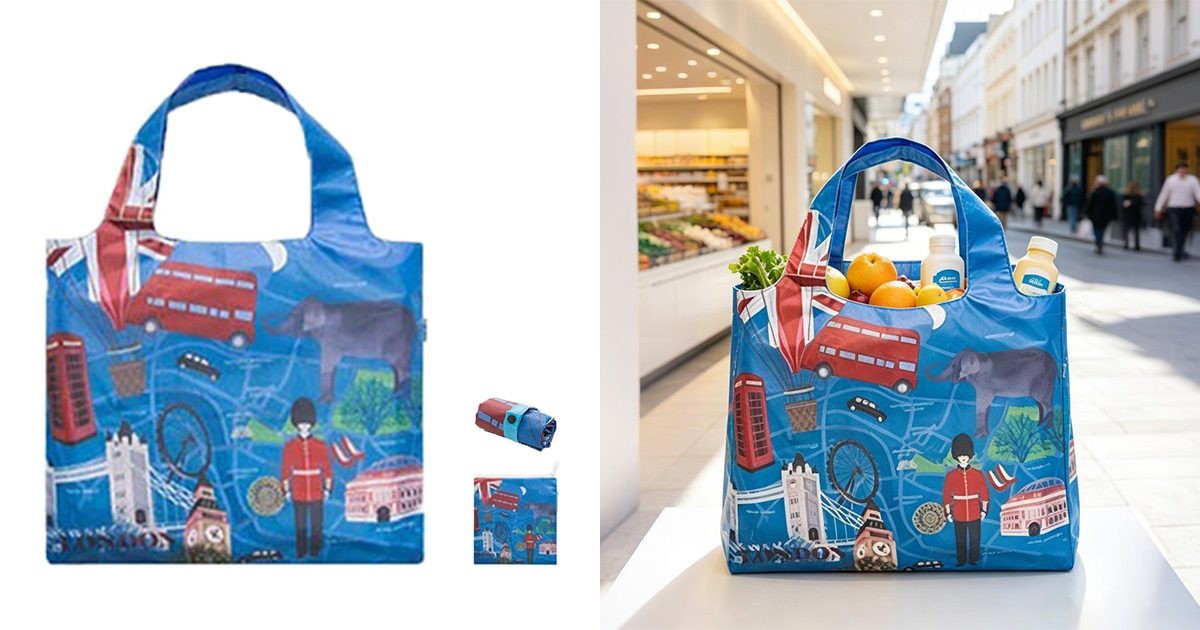
Plastic bag bans are spreading fast. California started in 2016. The EU followed with its Single-Use Plastics Directive. Canada implemented a nationwide ban in 2022. Mexico City and multiple U.S. states have joined. The result? One of the fastest-growing product categories in promotional retail: the foldable shopping bag.
At Weihuang Textile, North America and Europe account for the majority of our export volume. Here is what we have learned about why foldable bags win in these markets.
1. Compliance Drives Demand
Regulation is the single biggest catalyst. When a state or country bans thin plastic bags, retailers need an immediate replacement. Foldable totes solve the problem at checkout while keeping the customer’s brand visible long after they leave the store.
In California, shoppers now pay $0.10 per paper bag at grocery stores—making a branded reusable option far more attractive. In the EU, the Single-Use Plastics Directive requires member states to reduce consumption of lightweight plastic bags to 40 per person per year by 2025. Retailers who switch to reusable alternatives early capture both compliance credit and customer loyalty.
2. Portability Equals Usage Rate
A reusable bag left at home is useless. Foldable shopping bags that stuff into a built-in pouch—small enough for a glove box, purse, or jacket pocket—actually get used. Higher usage rate means higher brand impressions over time.
At Weihuang, our best-selling foldable models compress to under 10 x 10 cm and weigh under 60 grams. That is the difference between a bag that sits in a closet and one that travels with the customer every day.
3. Retailers Use Them as Walking Billboards
Grocery chains in the U.S. and supermarkets across Germany, France, and the Netherlands give away or sell branded foldable bags at checkout. When a customer carries that bag through a weekend farmers market or downtown shopping district, the brand travels with them. The cost-per-impression is remarkably low compared to digital ads—and the bag keeps working for months or years.
One of our U.S. clients reported that their branded foldable tote was spotted in Instagram posts across six states within three months of distribution. Organic reach, zero ad spend.
4. Specifications Vary by Market
North American and European buyers each have priorities. Here is what we typically see in RFQs:
Typical U.S. / Canada requests:
- Size when folded: Under 12 x 12 cm
- Capacity: 15–20 liters unfolded
- Handle length: 25–30 cm for hand carry
- Weight capacity: 10–15 kg minimum
- Print area: Large front and back panels for bold branding
- Material preference: RPET or nylon for durability
Typical European requests:
- Size when folded: Under 10 x 10 cm
- Weight: Under 60 grams
- Color fastness: Grade 4+ per ISO 105-C06
- Certifications: Oeko-Tex 100 frequently requested
- Eco-labeling: RPET content percentage must be clearly marked on product
- Packaging: Minimal, plastic-free outer packaging preferred
5. Sustainability Sells — But It Must Be Real
European buyers, in particular, scrutinize green claims. A vague “eco-friendly” label is no longer enough. Buyers want to know the RPET percentage, the factory’s environmental credentials, and whether the product can be recycled at end of life. North American buyers are moving in the same direction, especially in California and the Pacific Northwest.
At Weihuang Textile, we provide full material traceability documentation and Oeko-Tex Standard 100 certification for every foldable shopping bag order. If your customers ask questions, you should have answers ready.
What We Recommend for Foldable Shopping Bag Brands Targeting North America and Europe
If you are a retailer, distributor, or brand manager preparing to source foldable bags:
- Lead with material transparency. State the RPET percentage clearly.
- Offer neutral base colors (navy, gray, beige, black, forest green) with optional accent colors.
- Include a small inner pocket — consumers across both markets appreciate the added utility.
- Ensure your packaging is neat and minimal. Excess plastic wrapping is increasingly rejected at customs and by end consumers.
- Provide Oeko-Tex 100 or equivalent certification documentation upfront.
Our Top Foldable Bag Picks for North American & European Buyers
Based on the specification trends above, here are four foldable bag models that perform well across these markets. Each supports full customization with your logo, color scheme, and packaging requirements.
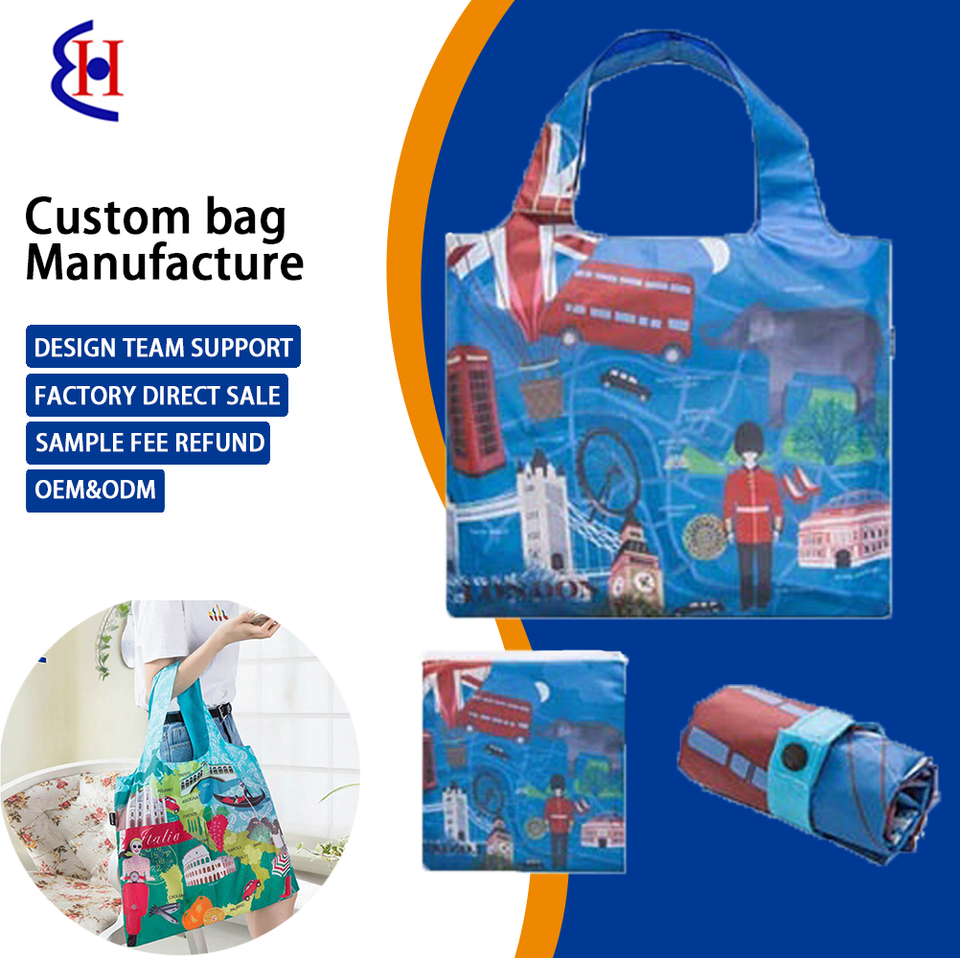
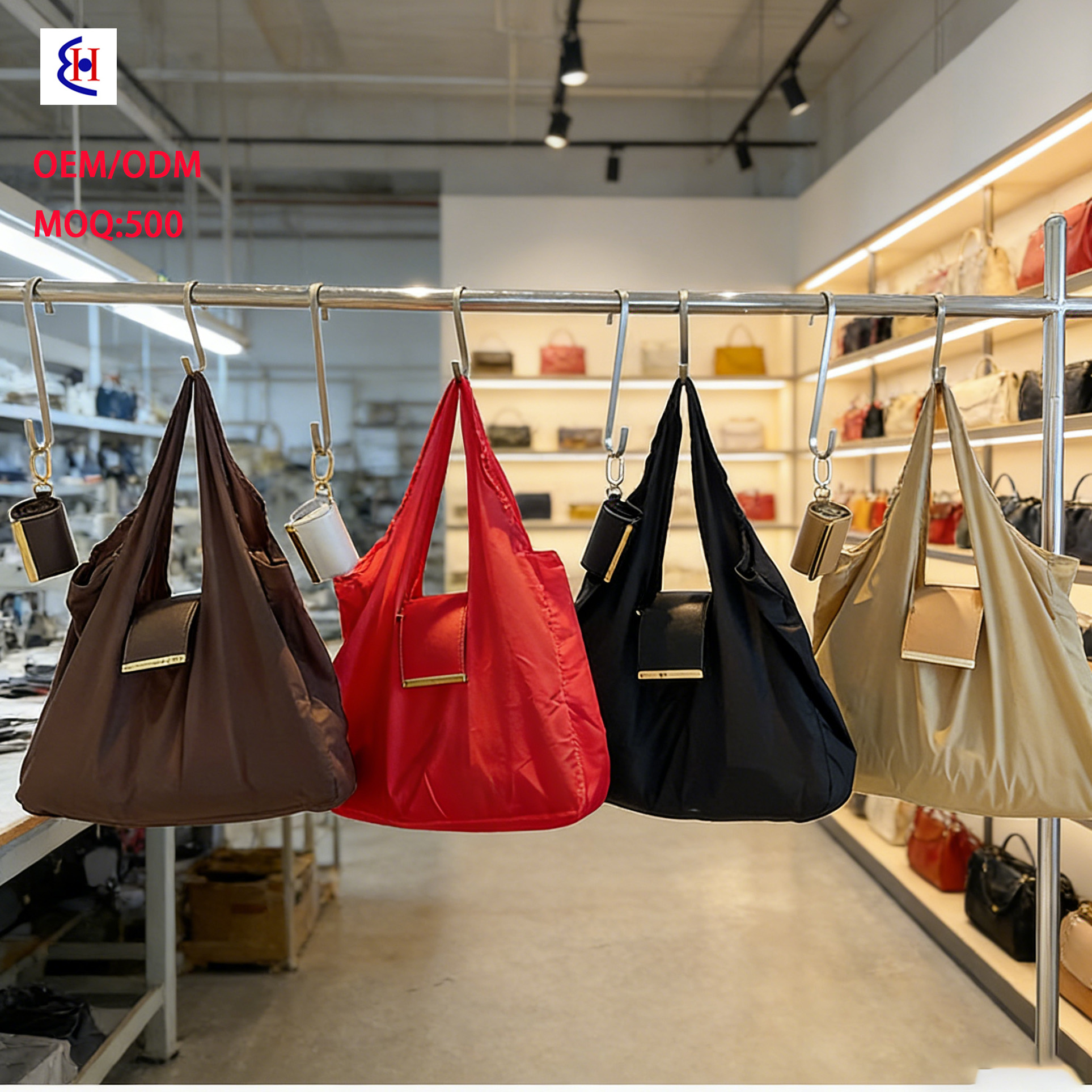
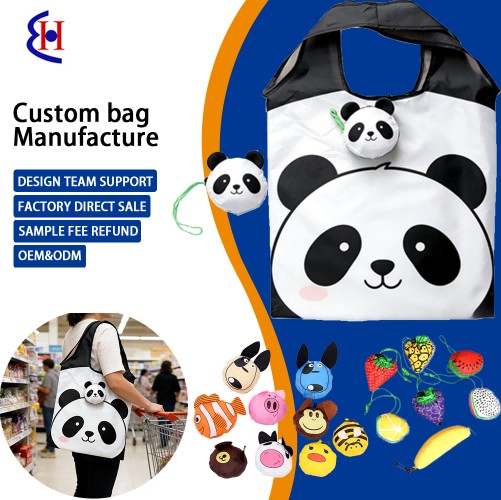
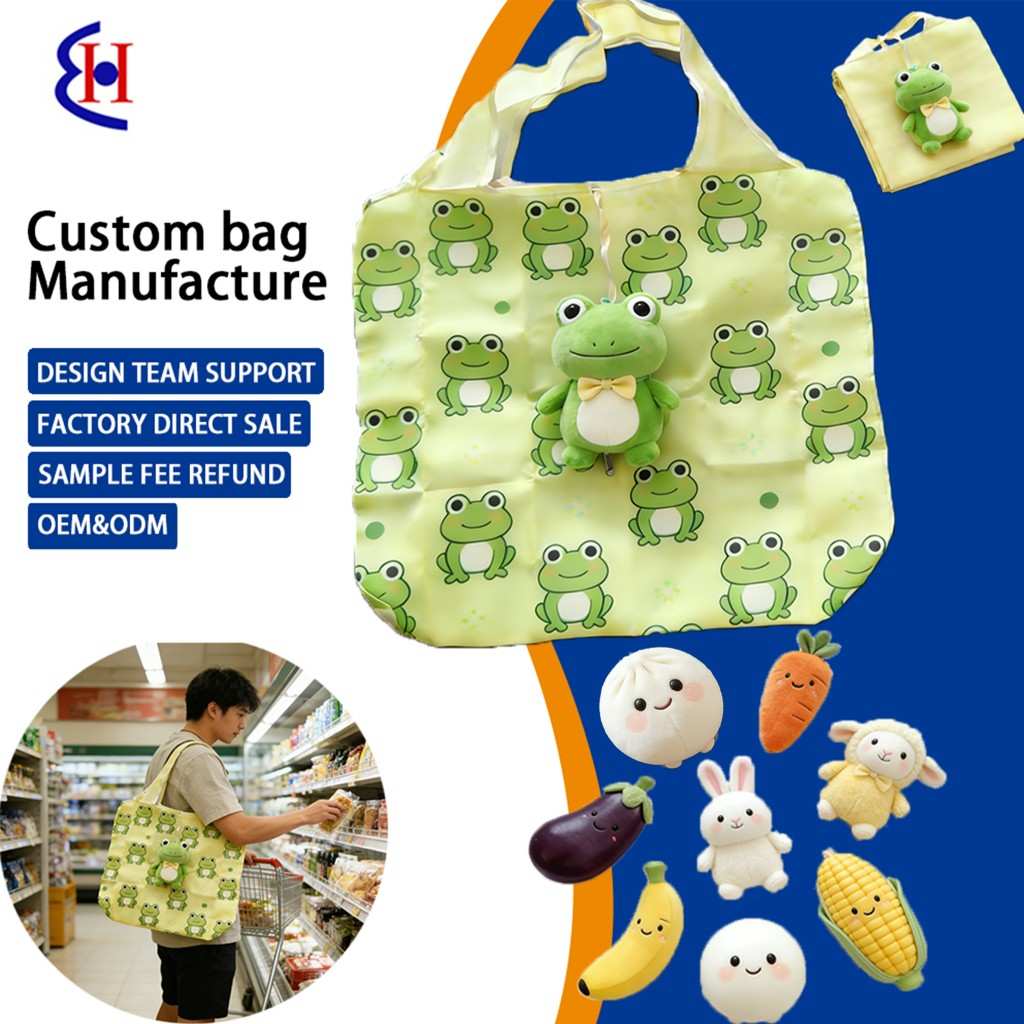
All four models fold to pocket size, support silk screen and heat transfer printing, and ship from our Xiamen factory with typical transit of 14–16 days to the U.S. West Coast and 18–22 days to Europe. Request a sample kit to evaluate material feel, print quality, and fold size in person.
Ready to source foldable bags for North America or Europe?
Request a foldable bag sample kit tailored to your market — we ship material swatches, printed samples, and spec sheets within 5 business days.

WeChat
Scan the QR Code with wechat