 Вэйхуан Текстиль | Фабрика эко-сумок RPET на заказ
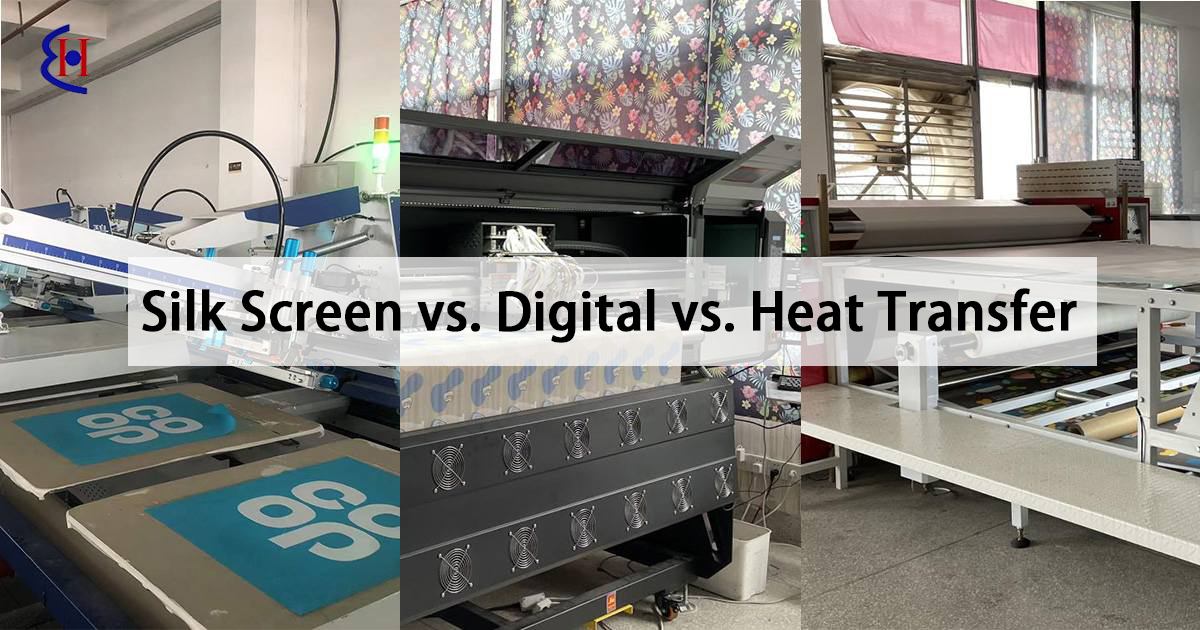
Choosing the right custom bag printing method matters. Your logo is the face of your bag, but not all logos print equally well. At our factory in Xiamen, orders use three main approaches: silk screen printing, digital printing, and heat transfer printing.
Each method has strengths and limits. Here is how to choose the right one for your project.
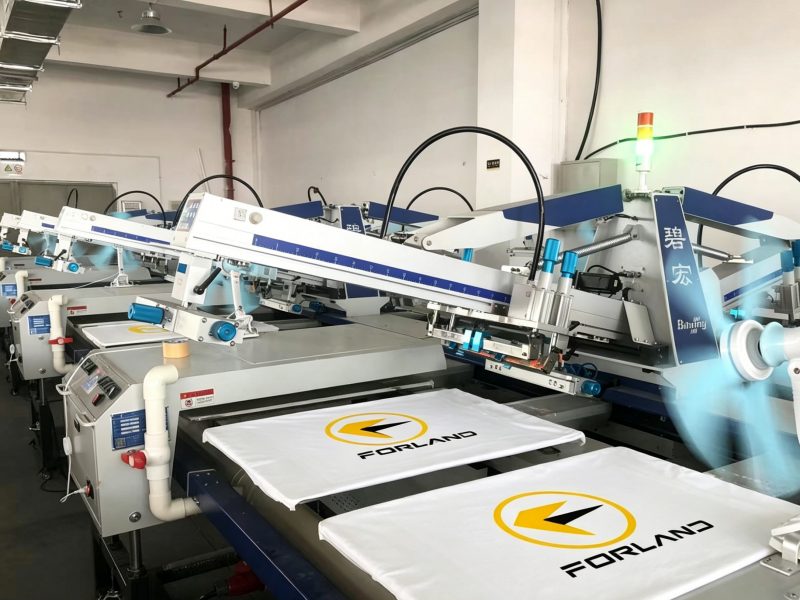
Silk Screen Printing
How it works: Ink is pushed through a mesh stencil directly onto the fabric.
Best for: Bold, simple logos with 1–3 solid colors. Large production runs.
Pros:
- Extremely durable — the ink bonds with the fabric and withstands hundreds of washes.
- Vibrant, opaque colors even on dark materials.
- Cost-effective at volume. Once the screen is made, each additional print is cheap.
- Soft hand feel on fabric. The ink sinks in rather than sitting on top.
Cons:
- High setup cost for small runs. Each color requires a separate screen.
- Not ideal for gradients, photographs, or highly detailed artwork.
- Minimum order quantity is 500 units for cost efficiency.
Cost indicator: $0.15–$0.40 per color per bag at 5,000 единицы. минимальный заказ 500.
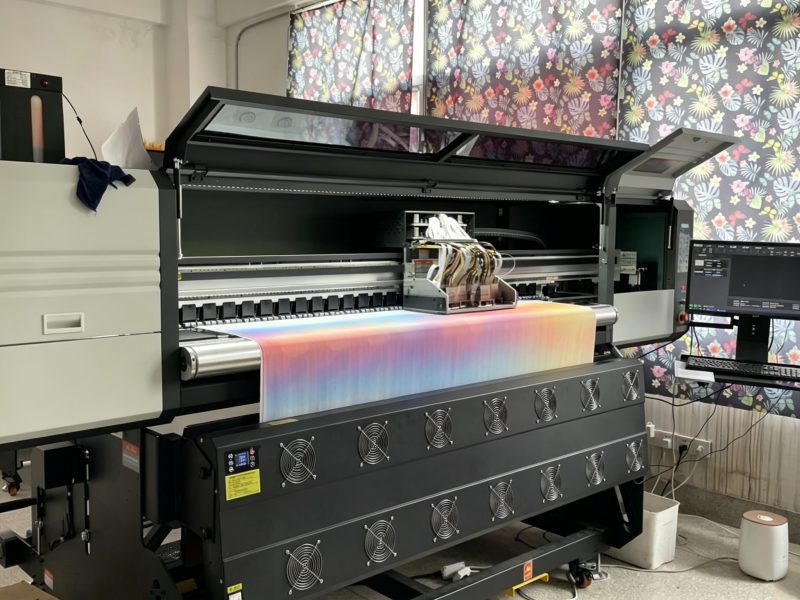
Digital Printing
How it works: Your design is printed directly onto the fabric using industrial inkjet heads.
Best for: Complex, multi-color logos, photographs, and gradient artwork.
Pros:
- No color limit. Full CMYK color range including gradients and shadows.
- No setup screens needed. Ideal for designs that change frequently.
- Sharp detail reproduction for intricate logos and photographic images.
- Economical at 500 units and above, especially for complex designs.
Cons:
- Sits on top of the fabric, creating a slightly raised feel.
- Less durable than silk screen under heavy washing or abrasion.
- Large solid areas can show texture from the fabric weave.
- Not recommended for bags that will be machine-washed frequently.
Cost indicator: $0.40–$0.90 per bag depending on size and coverage. минимальный заказ 500.
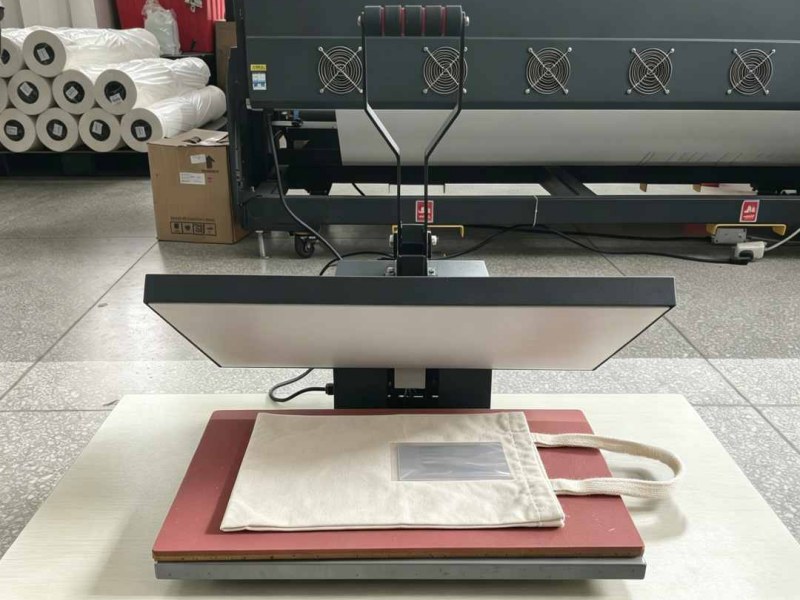
Heat Transfer Printing
How it works: Your design is printed onto a special film, then heat-pressed onto the bag surface.
Best for: Detailed logos on specific positions, small accent prints, and fabrics that are hard to print directly.
Pros:
- Excellent for small, detailed logos on tricky positions like handles or seams.
- Works well on materials that are difficult to print directly, such as coated fabrics.
- No color limit on the transfer film itself.
- Good for short runs and prototypes since setup is minimal.
Cons:
- The transfer film sits on top of the fabric, creating a noticeable raised edge.
- Can peel or crack over time, especially at fold lines or with heavy washing.
- Not suitable for large solid areas — the film may trap air bubbles.
- Less breathable than direct printing methods.
Cost indicator: $0.30–$0.70 per bag depending on transfer size. минимальный заказ 500.
Three-Way Comparison
| Factor | Silk Screen | Digital Printing | Heat Transfer |
|---|---|---|---|
| Best for | 1–3 solid colors, bold logos | Gradients, photos, complex art | Small details, tricky positions |
| Durability | Excellent (inks bond to fabric) | Good (sits on surface) | Moderate (film may peel) |
| Color range | Limited (1 color per screen) | Unlimited (full CMYK) | Unlimited (full CMYK) |
| Hand feel | Soft (ink sinks in) | Slightly raised | Raised edge around film |
| Setup cost | High (screens per color) | Low (no screens) | Low (film printing only) |
| минимальный заказ | 500 единицы | 500 единицы | 500 единицы |
| Cost at volume | $0.15–$0.40 per color | $0.40–$0.90 per bag | $0.30–$0.70 per bag |
How to Choose Your Custom Bag Printing Method
| Your Situation | Recommended Method |
|---|---|
| 1–2 color logo, heavy-use bags, long lifespan | Silk Screen |
| Photo-realistic artwork, gradients, frequent design changes | Digital Printing |
| Small logo on handle, seam, or coated fabric | Heat Transfer |
| Dark fabric with bright logo | Silk Screen |
| Premium corporate gift, short-term campaign | Digital Printing or Heat Transfer |
| Budget priority, 5,000+ единицы, simple design | Silk Screen |
Pro Tips from the Factory Floor
- Test before you commit. We always recommend sampling when a buyer is undecided. А $30-80 sample fee saves regret later. Read more about screen printing history and technique to understand why setup matters.
- Consider the bag material. Silk screen works on almost everything. Digital printing prefers smooth fabrics like RPET and non-woven. Heat transfer excels on coated or waterproof materials.
- Match the method to the bag’s lifespan. A 5-year reusable grocery program deserves silk screen. A 3-month event promo can use digital printing or heat transfer.
- Combine methods. Many buyers use silk screen for the main logo and heat transfer for a small inner label or handle detail.
Other Decoration Methods We Offer
Beyond the three main printing methods, our factory supports additional techniques to match your branding needs:
- Вышивка: Thread stitched directly into the fabric. Premium look and feel. Best for corporate gifts and high-end retail.
- Metal Badge / Label: Custom metal or PU leather tags sewn onto the bag. Adds perceived value and brand recognition.
- Woven Label: Integrated into the seam or hem. Ideal for care instructions, size labels, or subtle branding.
- Reflective Strip: Safety-focused decoration for sports and outdoor bags. Available in silver, color-shifting, or custom shapes.
Products That Showcase Custom Bag Printing
Here are four bag models that demonstrate the range of customization we offer. Each supports silk screen, digital printing, and heat transfer.
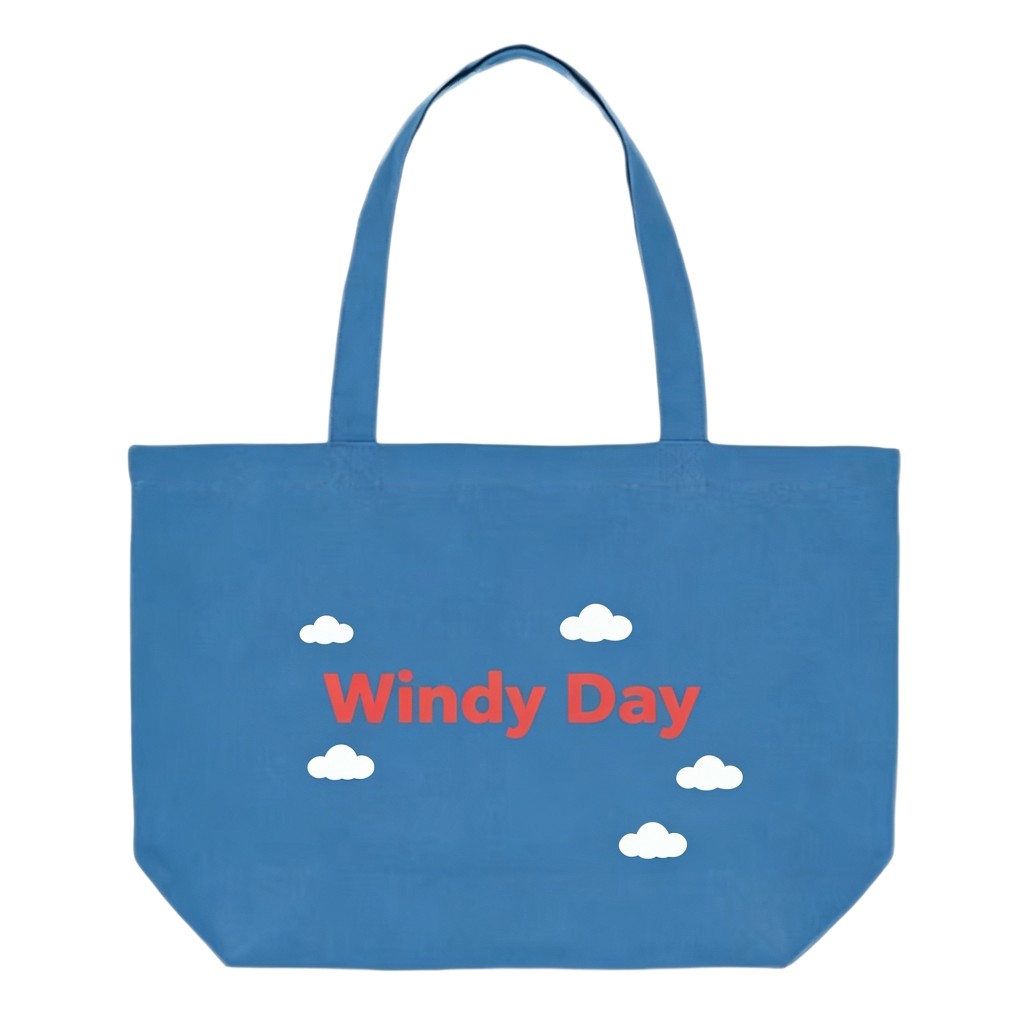
Ideal for silk screen
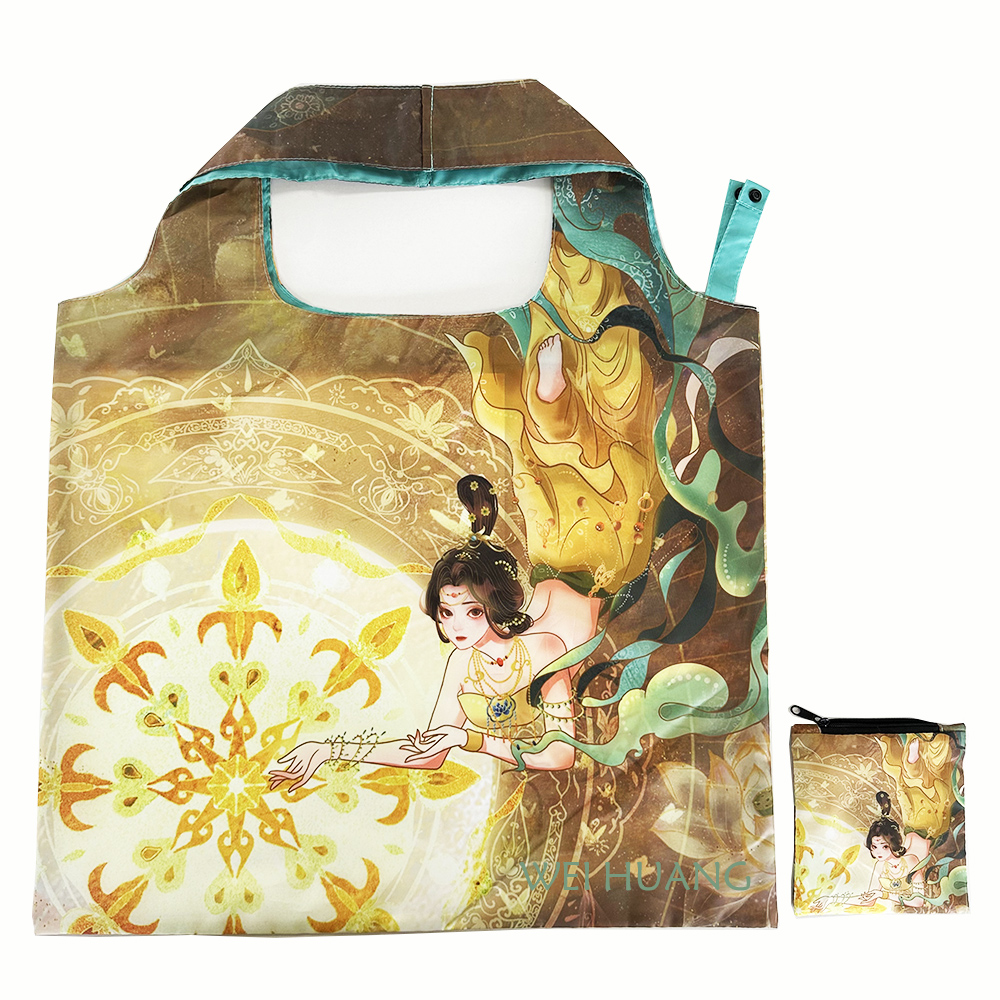
Ideal for digital printing
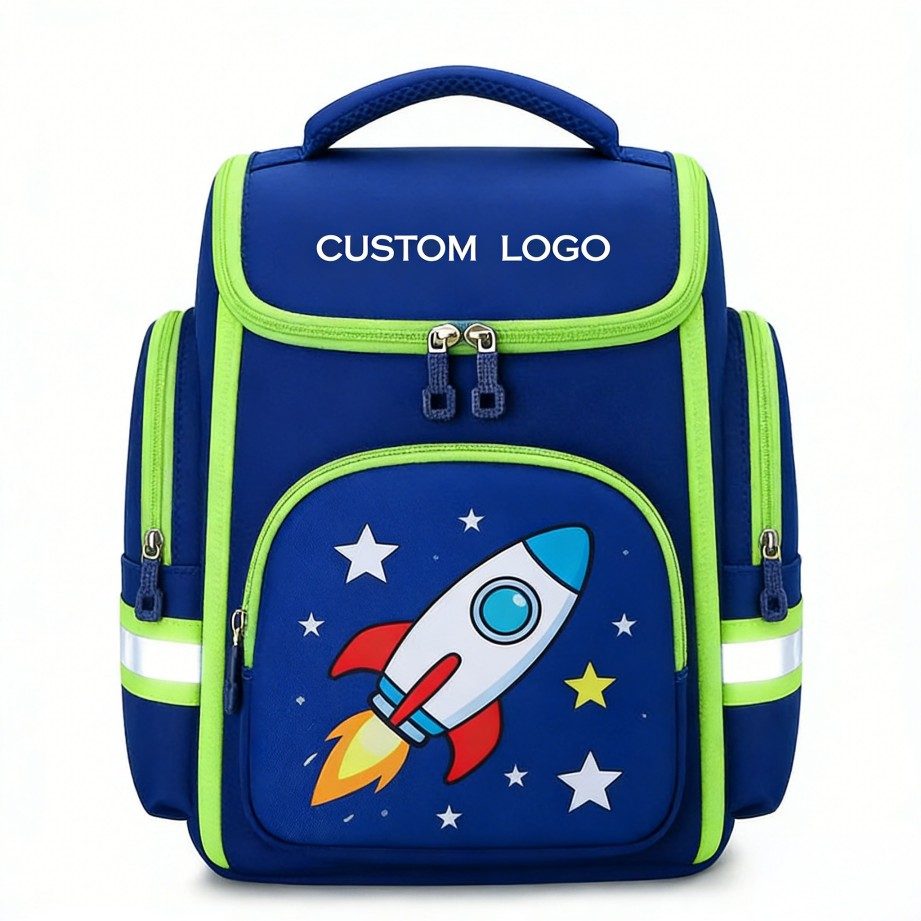
Ideal for heat transfer
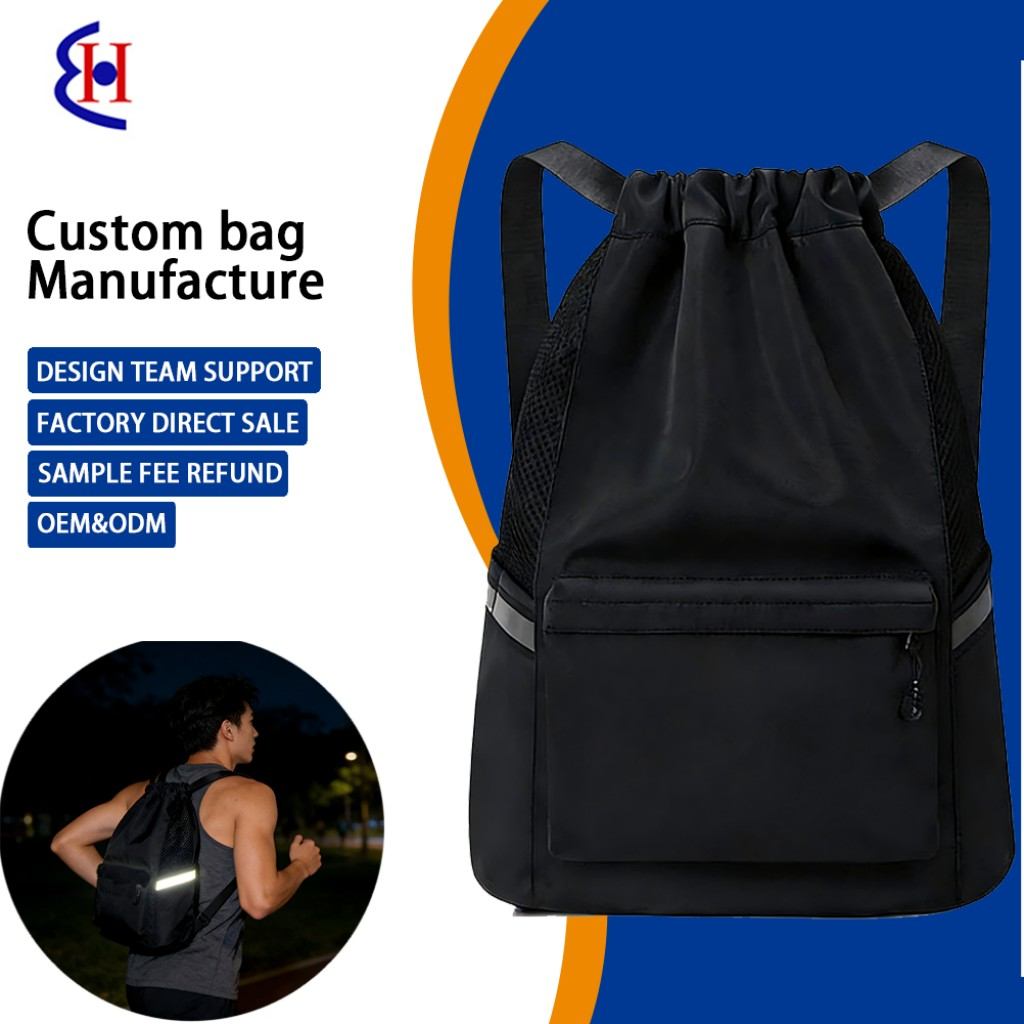
Ideal for silk screen + reflective
All four models support silk screen, digital printing, and heat transfer. MOQ starts at 500 единицы. Вышивка, metal badges, and reflective strips are available on request. Typical production lead time is 15–20 days. Request a sample kit to evaluate print quality, material feel, and decoration options in person.
Not sure which printing method fits your design?
Send us your logo file and target quantity — we will recommend the best approach and provide a printed sample within 5 business days.
Вичат
Сканируйте QR-код с помощью WeChat