 เว่ยหวงสิ่งทอ | โรงงานกระเป๋า Eco RPET แบบกำหนดเอง
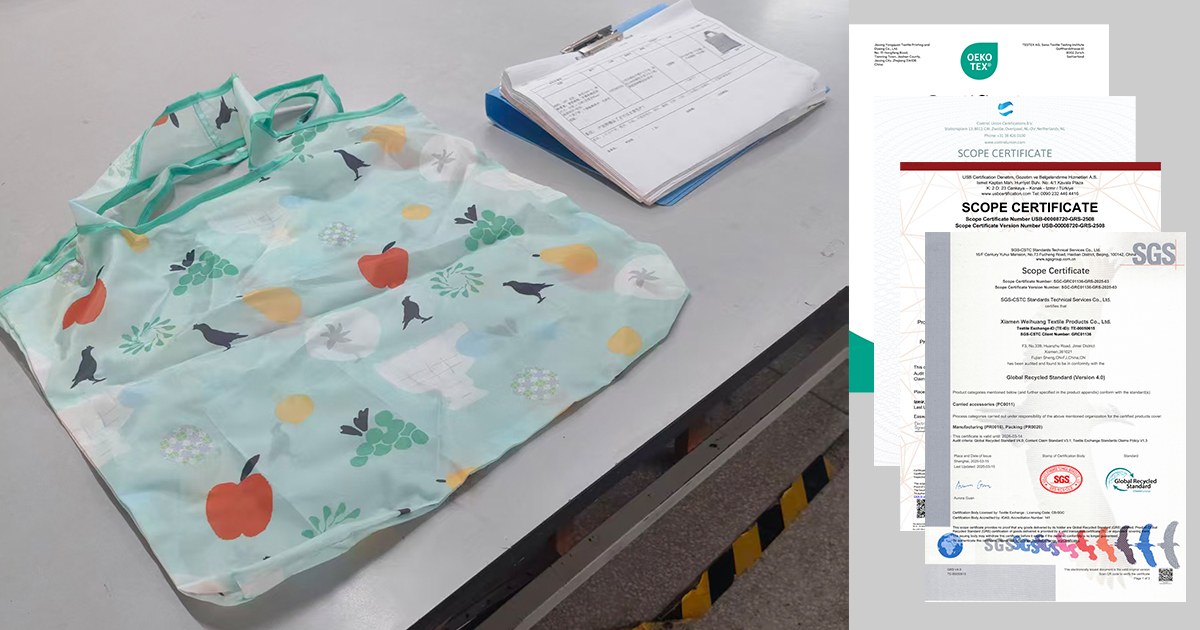
การปฏิบัติตามข้อกำหนดด้านความยั่งยืนของถุง RPET ไม่ใช่ทางเลือกในการจัดหาถุงแบบ B2B อีกต่อไป แต่เป็นข้อกำหนดพื้นฐาน. ผู้ค้าปลีกในสหภาพยุโรปต้องปฏิบัติตามข้อจำกัดด้านสารเคมีที่ขยายออกไปภายใต้ กฎระเบียบ REACH และ PFAS. ผู้นำเข้าในประเทศสหรัฐอเมริกาเผชิญหน้า ข้อเสนอของรัฐแคลิฟอร์เนีย 65 และเกณฑ์ทางเคมีของ CPSC. และผู้ซื้อจากทั้งสองตลาดต่างก็ต้องการใบรับรองอิสระก่อนทำการสั่งซื้อมากขึ้น.
หากคุณกำลังจัดหาสินค้าแบบกำหนดเอง ถุง RPET — ทำจากขวดพลาสติกรีไซเคิล — เรื่องราวความยั่งยืนนั้นน่าสนใจ. แต่การจัดหา RPET ไม่ได้หมายถึงการปฏิบัติตามข้อกำหนดโดยอัตโนมัติ. คู่มือนี้จะอธิบายอย่างชัดเจนถึงอะไร การปฏิบัติตามข้อกำหนดด้านความยั่งยืนของถุง RPET ต้องการในปี 2568-2569, ใบรับรองใดที่จะมองหา, และคำถามอะไรที่ต้องถามโรงงานของคุณก่อนลงนามในคำสั่งซื้อ.
เหตุใดการปฏิบัติตามข้อกำหนดด้านความยั่งยืนของถุง RPET จึงเริ่มต้นด้วยวัสดุที่เหมาะสม
RPET — โพลีเอสเตอร์รีไซเคิลที่ทำจากขวด PET หลังการบริโภค — ลดการใช้พลังงานได้ประมาณ 35–45% เมื่อเทียบกับโพลีเอสเตอร์บริสุทธิ์ และลดการปล่อย CO₂ ต่อผ้าหนึ่งกิโลกรัมได้อย่างมาก. สำหรับผู้ค้าปลีก, ผู้จัดจำหน่าย, และทีมจัดซื้อจัดจ้างขององค์กรในสหภาพยุโรปและอเมริกาเหนือ, RPET คือคำตอบที่สามารถปกป้องคำมั่นสัญญาด้านความยั่งยืนได้.
แต่ “รปต” เพียงอย่างเดียวคือการกล่าวอ้างทางการตลาด, ไม่ใช่ใบรับรองการปฏิบัติตาม. กระเป๋ามีป้าย “ทำจากขวดรีไซเคิล” อาจยังไม่ผ่านการทดสอบทางเคมี, มีสารต้องห้าม, หรือขาดเอกสารตามที่หน่วยงานศุลกากรของสหภาพยุโรปต้องการ. ช่องว่างระหว่างเรื่องราวทางการตลาดกับ การปฏิบัติตามข้อกำหนดด้านความยั่งยืนของถุง RPET คือจุดที่ข้อผิดพลาดในการจัดหาเกิดขึ้น.
การปฏิบัติตามข้อกำหนดด้านความยั่งยืนของถุง EU RPET: สิ่งที่ผู้นำเข้าต้องรู้ 2026
1. กฎระเบียบ REACH — สารจำกัด
สหภาพยุโรป กฎระเบียบ REACH (หมายเลขอีซี 1907/2006) ควบคุมการผลิตและการใช้สารเคมี. สำหรับผู้นำเข้าสิ่งทอและกระเป๋า, รายการที่สำคัญที่สุดคือ สารที่น่ากังวลอย่างมาก (เอสวีเอชซี) รายชื่อผู้สมัคร, ซึ่งตอนนี้มีมากกว่า 240 สาร. สารเคมีสำคัญที่ถูกจำกัดในวัสดุถุง ได้แก่:
- พทาเลท (เดเอชพี, ดีบีพี, บีบีพี, สอพ) - พบได้ในซิป PVC, จับ, และผ้าเคลือบ. จำกัดไว้ที่ <0.1% โดยน้ำหนักในสิ่งของที่มุ่งหมายสำหรับผู้บริโภค.
- สีย้อมอาโซ — สารอะโรมาติกเอมีนที่เป็นสารก่อมะเร็งสามารถถูกปล่อยออกมาจากสีย้อมผ้าบางชนิด. ห้ามในบทความที่สัมผัสกับผิวหนัง.
- โลหะหนัก (ซีดี, ป.ล, Cr VI) — สามารถปรากฏในหมึกสีและฮาร์ดแวร์. การทดสอบที่จำเป็นสำหรับผลิตภัณฑ์ที่สัมผัสกับร่างกาย.
- ฟอร์มาลดีไฮด์ — ใช้ในสารตกแต่งผ้าบางชนิด. สหภาพยุโรปไม่มีขีดจำกัดทั่วทั้งสหภาพยุโรป, แต่ผู้นำเข้าหลายรายใช้ Oeko-Tex 100 ขีด จำกัด (20–75 ppm ขึ้นอยู่กับประเภทการใช้งาน).
2. ข้อจำกัดของ PFAS — The “ฟอร์เอเวอร์ เคมิคอลส์” ห้าม
สากลของสหภาพยุโรป ข้อจำกัดของ PFAS (ภายใต้ภาคผนวก REACH XVII) กำลังขยายตัวอย่างมีนัยสำคัญผ่าน 2026. พีเอฟเอเอส (ต่อ- และสารโพลีฟลูออโรอัลคิล) มักใช้ในการเคลือบ DWR กันน้ำบนกระเป๋าและเป้สะพายหลังสำหรับกิจกรรมกลางแจ้ง. ภายใต้กฎของสหภาพยุโรปในปัจจุบันและที่รอดำเนินการ:
- PFOA ถูกแบนในสหภาพยุโรปตั้งแต่นั้นมา 2020.
- การเคลือบฟลูออโรคาร์บอน C6 และ C8 เผชิญกับข้อจำกัดที่เพิ่มขึ้นผ่านข้อเสนอของ ECHA ที่มีผลใช้บังคับในปี 2568-2569.
- ผู้ค้าปลีกในสหภาพยุโรปหลายรายได้นำการสั่งห้ามภายในโดยสมัครใจสำหรับการเคลือบฟลูออโรคาร์บอนทั้งหมดก่อนกำหนดเวลาทางกฎหมาย.
3. กฎระเบียบด้านความปลอดภัยของผลิตภัณฑ์ทั่วไปของสหภาพยุโรป (จีพีเอสอาร์)
ใหม่ สหภาพยุโรป GPSR (ระเบียบข้อบังคับ 2023/988), มีผลบังคับใช้ตั้งแต่เดือนธันวาคมเป็นต้นไป 2024, กระชับข้อกำหนดด้านความปลอดภัยสำหรับสินค้าอุปโภคบริโภคที่จำหน่ายในสหภาพยุโรป, รวมถึงถุงที่ใช้ซ้ำได้. มันต้องการสิ่งนั้น:
- ผลิตภัณฑ์มีผู้ดำเนินการทางเศรษฐกิจของสหภาพยุโรปที่มีความรับผิดชอบ (ผู้นำเข้าหรือตัวแทนในสหภาพยุโรป) ระบุไว้.
- ไฟล์ทางเทคนิคจะถูกเก็บรักษาไว้เพื่อแสดงให้เห็นว่าผลิตภัณฑ์มีคุณสมบัติตรงตามข้อกำหนดด้านความปลอดภัยอย่างไร.
- ผลิตภัณฑ์ที่จำหน่ายทางออนไลน์ประกอบด้วยข้อมูลด้านความปลอดภัยและรายละเอียดการติดต่อของผู้ประกอบการทางเศรษฐกิจในรายการ.
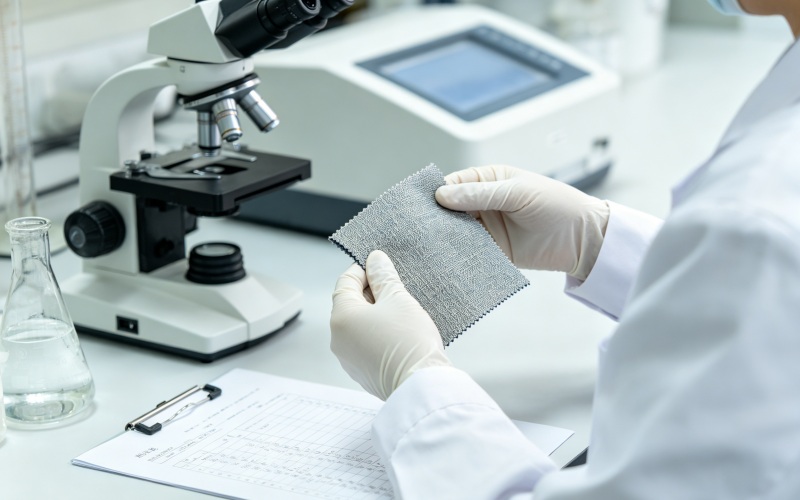
การทดสอบในห้องปฏิบัติการโดยบุคคลที่สามถือเป็นหัวใจสำคัญของการปฏิบัติตามข้อกำหนด REACH และ Oeko-Tex สำหรับถุง RPET.
การปฏิบัติตามข้อกำหนดด้านความยั่งยืนของถุง RPET ในอเมริกาเหนือ: สหรัฐอเมริกาและแคนาดา
ข้อเสนอของรัฐแคลิฟอร์เนีย 65 (ข้อเสนอ 65)
แคลิฟอร์เนีย พระราชบัญญัติน้ำดื่มที่ปลอดภัยและการบังคับใช้สารพิษ (ข้อเสนอ 65) ต้องการให้ธุรกิจจัดหา “ชัดเจนและสมเหตุสมผล” คำเตือนก่อนที่จะเปิดเผยใครก็ตามโดยเจตนาให้สัมผัสกับสารเคมีชนิดใดชนิดหนึ่งที่มีมากกว่า 900 รายการ. สำหรับถุง RPET ที่จำหน่ายในแคลิฟอร์เนีย:
- ตะกั่ว ในการเคลือบพื้นผิวหรือหมึก: ข้อเสนอ 65 ขีดจำกัดคือ 600 ppm (แคลิฟอร์เนีย เอบี 1708 สำหรับถุงผ้า: 300 ppm).
- แคดเมียม ในหมึกสีและฮาร์ดแวร์พลาสติก.
- DEHP และพทาเลทอื่นๆ ในส่วนประกอบพีวีซี.
- สารบีพีเอ ในส่วนประกอบโพลีคาร์บอเนต (หายากในถุง, แต่ปรากฏอยู่ในเครื่องประดับแบบขวดน้ำบางชิ้น).
หากคุณขายในแคลิฟอร์เนีย — ไม่ว่าจะโดยตรงหรือผ่านผู้จัดจำหน่าย — คุณต้องยืนยันการทดสอบผลิตภัณฑ์ของคุณด้านล่างข้อเสนอ 65 ระดับเขตปลอดภัยหรือติดป้ายเตือน. แนวทางที่ปลอดภัยที่สุดคือการทดสอบโดยบุคคลที่สามก่อนการจัดส่ง.
ข้อกำหนดของ CPSC
สหรัฐอเมริกา. คณะกรรมการความปลอดภัยสินค้าอุปโภคบริโภคควบคุมผลิตภัณฑ์สำหรับเด็กด้วยข้อจำกัดด้านสารเคมีที่เข้มงวดเป็นพิเศษภายใต้ พระราชบัญญัติการปรับปรุงความปลอดภัยของผลิตภัณฑ์อุปโภคบริโภค (ซีพีเซีย). หากกระเป๋า RPET หรือเป้สะพายหลังแบบมีเชือกของคุณจำหน่ายสำหรับเด็กที่อายุต่ำกว่า 12:
- เนื้อหาตะกั่วทั้งหมด: <100 ppm (ขีดจำกัดของ CPSIA).
- พทาเลท: <0.1% โดยน้ำหนักในส่วนประกอบพลาสติกที่เข้าถึงได้.
- ก ใบรับรองผลิตภัณฑ์สำหรับเด็ก (CPC) จำเป็นต้องมีห้องปฏิบัติการทดสอบบุคคลที่สามที่ได้รับการยอมรับจาก CPSC.
แคนาดา — CAN/CGSB และ CCPSA
ของแคนาดา พระราชบัญญัติความปลอดภัยของสินค้าอุปโภคบริโภคของแคนาดา (CCPSA) และกฎระเบียบด้านสิ่งทอของ Health Canada สอดคล้องกับมาตรฐานของสหภาพยุโรปและสหรัฐอเมริกาอย่างใกล้ชิด. ข้อกำหนดที่สำคัญได้แก่:
- การติดฉลากสองภาษา (อังกฤษและฝรั่งเศส) บนฉลากการดูแลและบรรจุภัณฑ์ขายปลีก.
- การเปิดเผยเนื้อหาไฟเบอร์.
- ไม่จำเป็นต้องมีการรับรอง RPET เฉพาะ, แต่สาร SVHC ภายใต้ REACH ได้รับการยอมรับอย่างกว้างขวางว่าเป็นเกณฑ์มาตรฐานการปฏิบัติตามข้อกำหนดโดยผู้ค้าปลีกในแคนาดา.
มาตรฐานโอเอโก-เท็กซ์ 100: การรับรองการปฏิบัติตามข้อกำหนดด้านความยั่งยืนของถุง RPET ซึ่งครอบคลุมทั้งสองตลาด
สำหรับผู้นำเข้าที่ต้องการใบรับรองเดียวที่ตรงใจทั้งสหภาพยุโรปและอเมริกาเหนือ การปฏิบัติตามข้อกำหนดด้านความยั่งยืนของถุง RPET ความต้องการ, มาตรฐานโอเอโก-เท็กซ์ 100 เป็นที่ยอมรับอย่างกว้างขวางที่สุด. มันทดสอบสำหรับ:
| หมวดหมู่การทดสอบ | สิ่งที่ได้รับการตรวจสอบ | ทำไมมันถึงสำคัญ |
|---|---|---|
| ค่าพีเอช | ค่า pH ของพื้นผิวผ้า (ในอุดมคติ: 4.5–7.5) | ป้องกันการระคายเคืองต่อผิวหนัง |
| ความคงทนของสี | ทนทานต่อเหงื่อ, น้ำ, ถู | ไม่มีสีตกใส่เสื้อผ้าหรือผิวหนัง |
| โลหะหนัก | Pb ที่สกัดได้, ซีดี, Cr, ใน, ลูกบาศ์ก, ฯลฯ. | REACH และข้อเสนอ 65 การจัดตำแหน่ง |
| ยาฆ่าแมลง | ยาฆ่าแมลงและสารกำจัดวัชพืชตกค้าง | พบได้ทั่วไปในเส้นใยธรรมชาติและเส้นใยผสม |
| ฟอร์มาลดีไฮด์ | ฟอร์มาลดีไฮด์อิสระและไฮโดรไลซ์ได้ | REACH SVHC และผลกระทบต่อสุขภาพ |
| สีย้อมภูมิแพ้ | สีย้อมกระจายทำให้เกิดอาการแพ้ | การคุ้มครองผู้บริโภคในสหภาพยุโรปและสหรัฐอเมริกา |
| พทาเลท (ดินพี, เดเอชพี, etc.) | พลาสติไซเซอร์ในอุปกรณ์เสริมและสารเคลือบ | REACH ภาคผนวก XVII, ซีพีเซีย |
| ไบโอไซด์ | สารป้องกันกลิ่นและสารต้านจุลชีพ | กฎระเบียบผลิตภัณฑ์ไบโอซิดัลของสหภาพยุโรป |
การกล่าวอ้างเนื้อหาที่รีไซเคิลและการปฏิบัติตามข้อกำหนดด้านความยั่งยืนของถุง RPET: GRS กับ. ฉลากการตลาด
ผู้ซื้อจำนวนมากถาม: “ฉันจะทราบได้อย่างไรว่าจริงๆ แล้วถุงมีเนื้อหารีไซเคิล?” นี่เป็นคำถามที่ยุติธรรม. “รปต” ง่ายต่อการเรียกร้อง; มันยากกว่าที่จะพิสูจน์ การปฏิบัติตามข้อกำหนดด้านความยั่งยืนของถุง RPET โดยไม่มีหลักฐานการตรวจสอบรับรอง.
ที่ มาตรฐานการรีไซเคิลระดับโลก (GRS), บริหารงานโดย การแลกเปลี่ยนสิ่งทอ, คือการรับรองชั้นนำจากบุคคลที่สามสำหรับการกล่าวอ้างเนื้อหาที่รีไซเคิล. กระเป๋าที่ผ่านการรับรอง GRS:
- มีการตรวจสอบห่วงโซ่อุปทาน ตั้งแต่การรวบรวมขวดไปจนถึงการผลิตเม็ดไปจนถึงการทอผ้าและการผลิตขั้นสุดท้าย.
- ตรงตามข้อกำหนดการประมวลผลทางสังคมและสิ่งแวดล้อมในแต่ละขั้นตอน.
- สามารถดำเนินการได้อย่างถูกกฎหมาย “ได้รับการรับรองรีไซเคิล” การอ้างสิทธิ์บนฉลากผลิตภัณฑ์และสื่อการตลาด.
หากตลาดปลายทางของคุณ (เช่น, เยอรมนี, เนเธอร์แลนด์, หรือผู้ค้าปลีกรายใหญ่ในสหรัฐฯ เช่น Walmart หรือ Target) ต้องมีเอกสารห่วงโซ่การคุ้มครองสำหรับการอ้างสิทธิ์เนื้อหาที่รีไซเคิล, ถามซัพพลายเออร์ของคุณว่าพวกเขาถือหรืออำนวยความสะดวกได้หรือไม่ การรับรองจีอาร์เอส สำหรับการสั่งซื้อเฉพาะของคุณ.
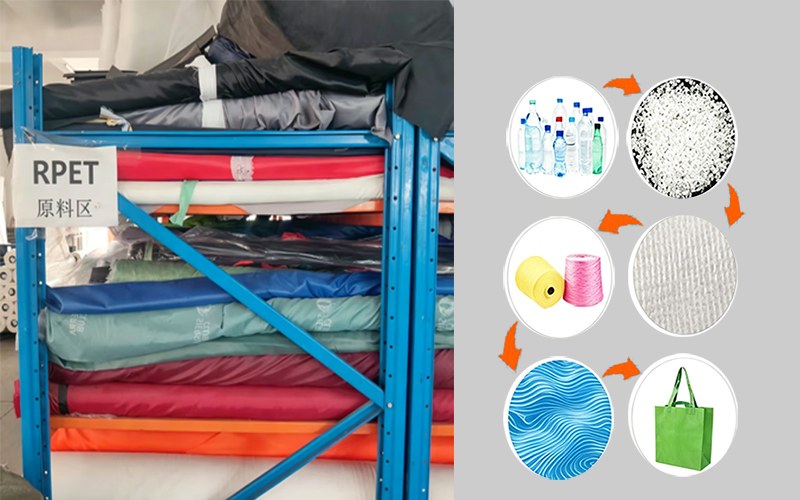
ผ้า RPET ทอจากเส้นด้ายโพลีเอสเตอร์ที่ปั่นจากการบด, ละลาย, และขวด PET รีไซเคิลจากการอัดขึ้นรูป.
รายการตรวจสอบการปฏิบัติตามข้อกำหนดด้านความยั่งยืนของถุง RPET: คำถามที่ต้องถามซัพพลายเออร์ของคุณ
ใช้รายการตรวจสอบนี้ก่อนอนุมัติซัพพลายเออร์รายใหม่หรือสั่งซื้อครั้งแรก:
- คุณถือ Oeko-Tex Standard ในปัจจุบันหรือไม่ 100 ใบรับรอง? คุณสามารถแบ่งปันและรายงานการทดสอบที่แนบมาด้วย?
- ผ้า RPET ของคุณได้รับการรับรอง GRS หรือไม่ หรือคุณสามารถจัดเตรียมเอกสารห่วงโซ่การควบคุมสำหรับเนื้อหารีไซเคิลได้หรือไม่?
- ให้กระเป๋าของคุณได้รับการทดสอบสำหรับ REACH SVHC รวมถึงพทาเลท, โลหะหนัก, และสีย้อมเอโซในช่วงสุดท้าย 12 เดือน?
- เป็น DWR ใด ๆ (กันน้ำ) เคลือบกระเป๋าของคุณโดยปราศจากฟลูออรีน (DWR ปลอด F)?
- คุณสามารถจัดหา Prop ได้หรือไม่ 65 รายงานการทดสอบ (เพื่อการจำหน่ายแคลิฟอร์เนีย) ครอบคลุมตะกั่ว, แคดเมียม, และพาทาเลท?
- คุณมีใบรับรองผลิตภัณฑ์สำหรับเด็กหรือไม่ (CPC) สำหรับกระเป๋าหรือเป้สะพายหลังที่จำหน่ายให้กับเด็กภายใต้ 12?
- มีแบบสองภาษาไหม (TH/FR) ตัวเลือกฉลากการดูแลและเนื้อหาไฟเบอร์สำหรับการจัดจำหน่ายในแคนาดา?
- คุณสามารถจัดทำรายงานการตรวจสอบโรงงานได้หรือไม่ (บีเอสซีไอ, สาม, หรือเทียบเท่า) ภายในสองปีที่ผ่านมา?
- อะไรคือขั้นต่ำมาตรฐานสำหรับคำสั่งซื้อที่ได้รับการรับรองเทียบกับ. คำสั่งซื้อที่ไม่ได้รับการรับรอง?
- คุณคงเอกสารขั้นตอนการดำเนินการแก้ไขหากการทดสอบล้มเหลว?
การปฏิบัติตามข้อกำหนดด้านความยั่งยืนของถุง RPET ส่งผลต่อต้นทุนรวมของคุณอย่างไร
การปฏิบัติตามข้อกำหนดด้านความยั่งยืนของถุง RPET ไม่ฟรี, แต่มีราคาถูกกว่าการเรียกคืนผลิตภัณฑ์หรือการปฏิเสธจากศุลกากร. ต่อไปนี้เป็นรายละเอียดที่สมจริงว่าการรับรองส่งผลต่อต้นทุนต่อหน่วยตามปริมาณการสั่งซื้อ B2B โดยทั่วไปอย่างไร:
| ขั้นตอนการปฏิบัติตามข้อกำหนด | ค่าใช้จ่ายโดยประมาณ | ใครแบกมัน |
|---|---|---|
| โอเอโกะ-เท็กซ์ 100 การรับรองผ้า (ประจำปี, ระดับโรงงาน) | $2,000–$5,000 / ปี | โรงงาน (ตัดจำหน่ายทุกคำสั่งซื้อ) |
| การทดสอบ REACH SVHC (ต่อ SKU, ห้องปฏิบัติการของบุคคลที่สาม) | $200–$500 / SKU | ผู้ซื้อหรือแบ่งปันกับโรงงาน |
| ข้อเสนอ 65 รายงานการทดสอบ (ต่อ SKU) | $150–$350 / SKU | ผู้ซื้อหรือแบ่งปันกับโรงงาน |
| การรับรองเนื้อหารีไซเคิล GRS (ต่อโรงงาน) | $800–$2,500 / ปี | โรงงาน (สะท้อนให้เห็นในราคาต่อหน่วย) |
| ใบรับรองผลิตภัณฑ์สำหรับเด็ก CPSIA (ต่อ SKU) | $300–$600 / SKU | ผู้นำเข้า (ทดสอบที่ห้องปฏิบัติการที่ได้รับการรับรอง) |
| การตรวจสอบทางสังคมของโรงงาน (BSCI หรือ Sedex) | $800–$2,000 ต่อการตรวจสอบหนึ่งครั้ง | โรงงานหรือผู้ตรวจสอบบัญชีที่ได้รับการเสนอชื่อจากผู้ซื้อ |
ที่ปริมาณการสั่งซื้อที่ 5,000 หน่วย, โดยทั่วไปค่าใช้จ่ายด้านการปฏิบัติตามข้อกำหนดต่อถุงจะเป็นดังนี้ $0.05–$0.20 - ส่วนหนึ่งของราคากระเป๋า, และน้อยกว่าต้นทุนการตรวจสอบทางศุลกากรที่ล้มเหลวอย่างมาก, การปฏิเสธการชำระเงินของผู้ค้าปลีก, หรือคดีความรับผิดต่อสินค้า.
การปฏิบัติตามข้อกำหนดด้านความยั่งยืนของถุง RPET มีความหมายอย่างไรในระดับโรงงาน
นอกเหนือจากงานเอกสาร, แท้จริง การปฏิบัติตามข้อกำหนดด้านความยั่งยืนของถุง RPET ในการผลิต หมายถึง โรงงานได้ลงทุนไปแล้ว:
- การบำบัดน้ำแบบวงปิด — น้ำเสียจากการย้อมผ้าและการซักล้างจะได้รับการบำบัด ณ สถานที่ก่อนระบายออก.
- การลดขยะจากผ้า — การตัดโดยใช้คอมพิวเตอร์ช่วยลดการตัดเฉือน; เศษเหล็กจะถูกรวบรวมเพื่อการรีไซเคิลมากกว่าการฝังกลบ.
- ไม่มีการใช้แรงงานเด็กหรือการทำงานล่วงเวลามากเกินไป — ตรวจสอบโดยหน่วยงานตรวจสอบทางสังคมบุคคลที่สาม เช่น BSCI, สาม, หรือ SA8000.
- การลดขยะบรรจุภัณฑ์ — เปลี่ยนจากถุงโพลีแต่ละใบไปเป็นบรรจุภัณฑ์ภายในที่ทำจากกระดาษหรือนำกลับมาใช้ใหม่ได้ตามคำขอ.
- สารเคมีที่ได้รับการรับรองจาก Oeko-Tex — สารย้อมสีและสารเคมีช่วยทั้งหมดที่ใช้ในการผลิตอยู่ในรายการสารจำกัดของ Oeko-Tex.
สรุป: แผนงานการปฏิบัติตามข้อกำหนดด้านความยั่งยืนของถุง RPET ของคุณ
| ตลาดเป้าหมายของคุณ | ข้อกำหนดการปฏิบัติตามขั้นต่ำ | ใบรับรองที่แนะนำ |
|---|---|---|
| สหภาพยุโรป (เยอรมนี, ฝรั่งเศส, สเปน, เนเธอร์แลนด์, etc.) | การปฏิบัติตามข้อกำหนด REACH SVHC PFAS, ไฟล์ทางเทคนิค GPSR | โอเอโกะ-เท็กซ์ 100, GRS (สำหรับการอ้างสิทธิ์เนื้อหารีไซเคิล) |
| สหรัฐอเมริกา — ตลาดทั่วไป | ไม่มีมาตรฐานสารเคมีสิ่งทอของรัฐบาลกลาง, แต่จำเป็นต้องปฏิบัติตามข้อกำหนดของผู้ค้าปลีก | โอเอโกะ-เท็กซ์ 100, รายงานการทดสอบที่สอดคล้องกับ REACH |
| สหรัฐอเมริกา — แคลิฟอร์เนีย | ข้อเสนอ 65 การทดสอบและคำเตือนหรือการยืนยันท่าเรือที่ปลอดภัย | ข้อเสนอ 65 รายงานการทดสอบของบุคคลที่สาม |
| สหรัฐอเมริกา — ผลิตภัณฑ์สำหรับเด็ก | ซีพีเซีย, ใบรับรองผลิตภัณฑ์สำหรับเด็ก | CPC จากห้องปฏิบัติการที่ CPSC ยอมรับ |
| แคนาดา | CCPSA, การติดฉลากสองภาษา, ปริมาณเส้นใย | โอเอโกะ-เท็กซ์ 100 + ข้อมูลจำเพาะฉลากสองภาษา |
| ออสเตรเลีย | การปฏิบัติตามข้อกำหนดการเรียกคืนโดยสมัครใจของ ACCC; ไม่มีมาตรฐานเคมีสิ่งทอเฉพาะ | โอเอโกะ-เท็กซ์ 100 ได้รับการยอมรับจากผู้ค้าปลีก AU รายใหญ่ |
พร้อมจัดหาถุง RPET ที่ตรงตามข้อกำหนดด้านความยั่งยืนของคุณ?
Oeko-Tex ของ Weihuang Textile 100 ถุง RPET ที่ได้รับการรับรองจะถูกส่งออกไปยังผู้ซื้อในสหรัฐอเมริกา, สหภาพยุโรป, แคนาดา, และออสเตรเลีย. เราสามารถจัดทำรายงานการทดสอบปัจจุบันได้, สำเนาใบรับรอง, และเอกสารข้อมูลจำเพาะโดยละเอียดสำหรับผลิตภัณฑ์ใดๆ. ขั้นต่ำจาก 500 หน่วย.

วีแชท
สแกนรหัส QR ด้วย wechat