 Weihuang Textile | Custom Eco RPET Bag Factory
Promotional Bag Compliance: What North American and European Buyers Need to Know
If you import or distribute promotional bags on both sides of the Atlantic, you already know the frustration: a tote bag that passes every check for a US retail program can fail its European counterpart, and vice versa. The bag itself may be identical, but the rules that govern it are not. Chemical restrictions, labeling expectations, and even measurement conventions differ between North America and Europe, and getting them wrong at the specification stage is far more expensive than fixing them later.
This guide breaks down the key compliance and specification differences between the two markets, so you can brief your factory once and get it right for both.
Why One Spec Sheet Rarely Fits Both Markets
North American and European regulatory frameworks evolved independently, and they test for different things. A spec sheet built for California will not automatically satisfy a buyer shipping into Germany, and a bag developed for a Nordic grocery chain may raise flags with a US big-box retailer.
The consequences of a mismatch are real: rejected shipments, forced relabeling, customs delays, or in the worst case, a product recall that damages both your brand and your client’s. For promotional products distributors, the risk compounds because campaigns are time-bound. A bag that arrives late misses the event it was made for, no matter how compliant it is.
The practical answer is to define the destination market before the first sample is cut, and to keep two spec variants when a single program serves both regions.
North America: Prop 65, CPSIA, and Food-Contact Basics
There is no single federal “promotional bag law” in the United States. Instead, buyers navigate a patchwork of state and federal requirements, with California’s Proposition 65 setting the de facto bar for the whole market:
- Prop 65 (California): Requires warning labels if a product contains listed chemicals above safe-harbor levels. For bags, the usual suspects are lead and cadmium in inks, coatings, and hardware, plus phthalates in PVC and vinyl components. Many national retailers simply require Prop 65 compliance documentation from suppliers, regardless of where in the US the bags will be distributed.
- CPSIA: If a bag is designed or marketed for children aged 12 and under, lead content and phthalate limits apply, along with tracking-label requirements. Promotional giveaways aimed at schools and family events can trigger this unintentionally, so flag it early.
- Food contact: Cooler bags, lunch totes, and any bag with a food-contact lining should use food-safe liner materials and ask for corresponding test reports.
- Canada: The Canada Consumer Product Safety Act (CCPSA) governs the market, with particular attention to lead in surface coatings. Canadian programs often mirror US testing but expect documentation referencing Canadian requirements.
In practice, most experienced North American buyers ask for third-party test reports covering lead, cadmium, and phthalates as a baseline, then add program-specific requirements on top.
Europe: REACH, SVHC, and Recycled-Content Expectations
Europe’s framework is more centralized, and in recent years it has moved faster on sustainability. The pillars buyers should understand:
- REACH Annex XVII: The EU’s chemicals regulation restricts specific substances in consumer articles. For bags, the most relevant restrictions cover certain phthalates in plasticized materials, cadmium, and azo dyes that can release forbidden aromatic amines in colored textiles.
- SVHC and the SCIP database: If an article contains a Substance of Very High Concern above 0.1% by weight, EU importers have notification and information obligations. Your supplier’s material declarations feed directly into this.
- Green claims and recycled content: European buyers increasingly expect recycled-content claims to be verifiable, not just marketing language. For RPET bags, this typically means Global Recycled Standard (GRS) certification with a valid transaction certificate covering the goods, plus honest communication about recycled percentages.
- National extras: Some markets add their own layers, such as France’s environmental labeling rules or restrictions on plastic carrier bags in several countries. If your program targets one country specifically, ask about national requirements early.
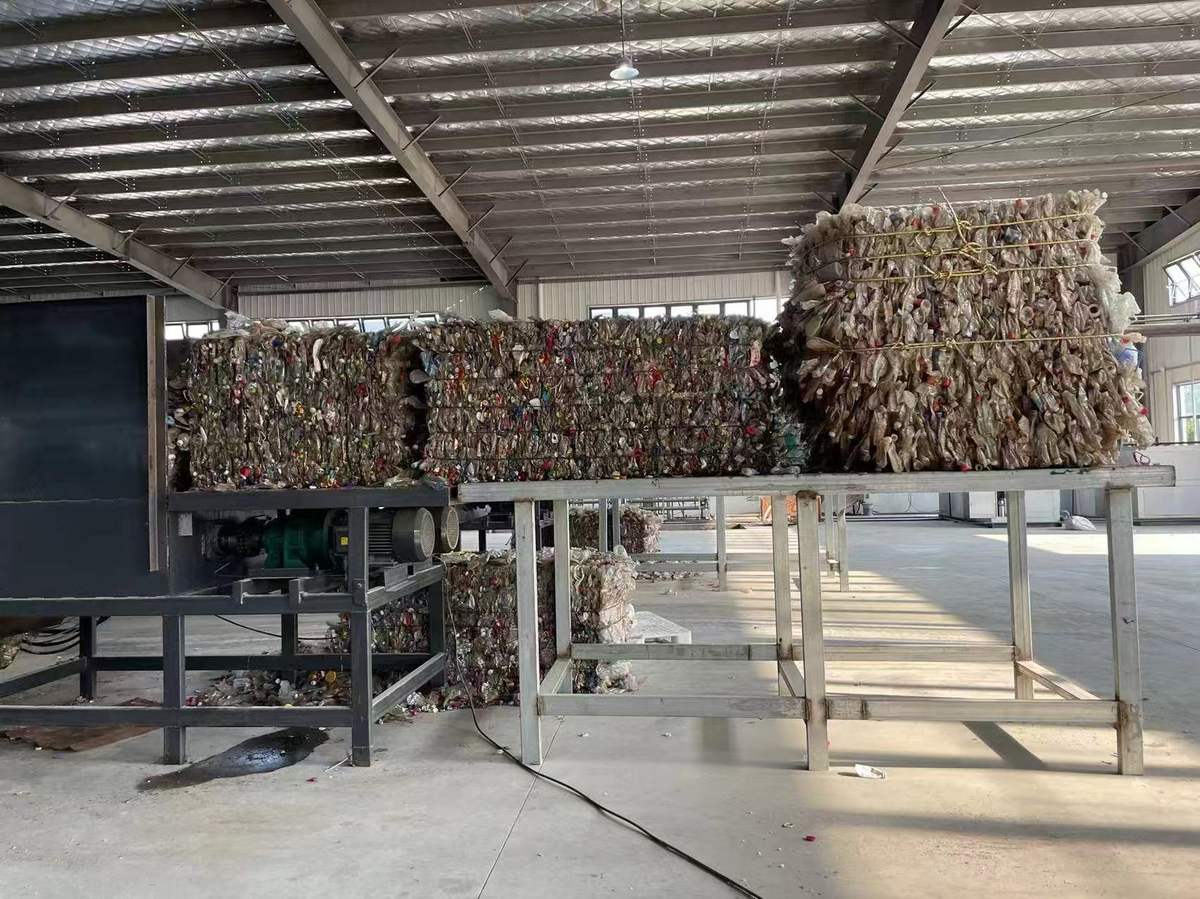
The good news: a factory already producing OEKO-TEX Standard 100 certified goods and working with GRS-certified recycled fabrics is structurally aligned with EU expectations. Weihuang Textile, for example, produces under OEKO-TEX Standard 100 and supplies RPET bags made from GRS-certified fabrics with transaction certificates available on request.
Sizing and Measurement Conventions That Differ
Beyond chemistry, the two markets simply measure things differently. Small details, but they cause endless revision cycles when overlooked:
- Units: North American buyers spec in inches and ounces; European buyers in centimeters and grams. Confirm which system your client’s artwork and catalogs use before printing size charts or hangtags.
- Fabric weight: The US often uses ounces per square yard (e.g., 12 oz canvas), while Europe uses GSM (grams per square meter, e.g., 340 GSM). Note that 1 oz/yd² ≈ 33.9 GSM — converting roughly in your head is not enough for a spec sheet; convert precisely.
- Capacity: Americans think in quarts or gallons, Europeans in liters. A “20 liter” drawstring backpack is a meaningless number to many US buyers unless you also state it as approximately 21 quarts.
- Carton and pallet specs: US retail distribution is built around 48″ × 40″ pallets, while European warehouses use 1200 × 800 mm euro pallets. Carton dimensions and cube utilization should match the destination DC, or you pay to ship air.
Labeling and Documentation Differences

Labeling is where compliant products most often stumble, because the rules are administrative rather than technical:
- Country of origin: US imports require “Made in China” (or other origin) marking under customs law, and promotional goods sold at retail follow the Textile Fiber Products Identification Act rules. The EU requires origin information for textiles under Regulation 1007/2011.
- Fiber content: Both markets require accurate fiber content on textile products, but tolerance rules and naming conventions differ slightly. RPET is typically declared as recycled polyester; European buyers often want the recycled share stated explicitly.
- Language: EU member states may require care and safety information in local languages for certain goods; the US has no such general requirement beyond specific product categories.
- Certification paperwork: GRS transaction certificates, OEKO-TEX certificates, and test reports should name the correct legal entity and match the shipped quantities. European auditors check this chain carefully; so do an increasing number of North American retail compliance teams.
A Dual-Market Checklist for Your Next RFQ
Before you send the next promotional bag RFQ, run it through this list:
- Confirm the destination market — or prepare two spec variants if the program covers both.
- For North America: request Prop 65-aligned testing (lead, cadmium, phthalates), plus CPSIA review if children could be end users, and food-contact reports for cooler and lunch bags.
- For Europe: request REACH Annex XVII declarations, SVHC information, and GRS transaction certificates for any recycled-content claim.
- Convert all dimensions, fabric weights, and capacities precisely into the buyer’s preferred units.
- Match carton sizes to the destination pallet standard and warehouse requirements.
- Agree on label content — origin, fiber content, care instructions, and any language requirements — before bulk production.
Work With a Factory That Speaks Both Markets
Compliance does not have to be the buyer’s burden alone. A capable manufacturing partner builds market-specific requirements into the sampling and production process, so issues surface at the pre-production stage instead of at the port.
Xiamen Weihuang Textile has manufactured custom bags since 2002, producing RPET totes, canvas shopping bags, drawstring backpacks, cooler bags, wine totes, and cosmetic bags for brands and distributors across North America and Europe. Production is OEKO-TEX Standard 100 certified, RPET styles are made from GRS-certified recycled fabrics with transaction certificates, and our team routinely prepares US and EU spec variants of the same program, including test reporting and labeling support.
Planning a promotional bag program for North America or Europe?
Send us your target market, bag type, and quantity. We will confirm the applicable requirements, quote both spec variants if needed, and arrange pre-production samples within days.

WeChat
Scan the QR Code with wechat