 Weihuang Textile | Custom Eco RPET Bag Factory
Promotional Bag Quality Control: How Weihuang Runs AQL Inspection & Sampling
You approved the sample. The logo was crisp, the color matched the Pantone swatch, and the seams looked clean. Then the bulk shipment landed, and half the cartons had misaligned prints, thread ends poking out, and handles that did not feel like the sample you signed off. For a promotional products distributor, that is not a minor annoyance; it is a program risk, a client call, and a write-off waiting to happen.
Quality control for promotional bags is not about getting lucky on one sample. It is about building a system that makes the bulk shipment match the approved sample, batch after batch. At Weihuang Textile, that system combines AQL-based random inspection, a clear sampling workflow, and in-factory checks before anything leaves Xiamen.
Why a Perfect Sample Does Not Guarantee a Perfect Shipment
A pre-production sample is a hand-crafted best case. Bulk production is the real test. The same design can drift across operators, fabric rolls, print batches, and shifts. Small differences compound: a needle setting moves slightly, a color formula shifts under heat, a cutter stacks fabric off-grain. By themselves, none of these issues ruin a bag. Together, they can turn a sellable order into a dispute.
The fix is to separate “looks good” from “meets spec.” That means defining measurable standards before production starts — size tolerances, color acceptance, print position, stitch density, pull strength — and checking against those standards at multiple points, not just at the end. It also means using a statistically valid sampling plan instead of opening one or two cartons and hoping they represent the whole lot.
How AQL Inspection Works for Promotional Bags
AQL stands for Acceptance Quality Limit. In plain terms, it is the worst tolerable quality level that is still considered acceptable in a sampled lot. The method is described in ISO 2859-1 / ANSI/ASQ Z1.4 sampling tables, and it is the standard most promotional bag buyers expect a factory to follow.
Here is how the logic works for a typical order of 5,000 bags at General Inspection Level II:
| Lot size | Sample size | AQL 2.5 | AQL 4.0 | Best for |
|---|---|---|---|---|
| 5,000 units | 200 units | Accept 10 / Reject 11 defects | Accept 14 / Reject 15 defects | Standard promotional bags |
Source: ISO 2859-1 single-sampling plans for normal inspection, General Level II. Exact sample sizes and accept/reject numbers change by lot size and inspection level.
We classify defects into three groups:
- Critical defects: safety or functional failures — broken needles left in fabric, sharp hardware, toxic material migration. Any critical defect is grounds for rejection.
- Major defects: visible or usability problems that would cause a retailer or end customer to return the bag — torn seams, wrong color, missing prints, incorrect size beyond tolerance.
- Minor defects: small cosmetic issues that do not affect function — a loose thread, a barely off-center logo within tolerance, slight print color variation within an acceptable delta.
For most RPET and canvas promotional bag orders, we default to AQL 2.5 for major defects and AQL 4.0 for minor defects. Buyers with stricter retail programs can request AQL 1.5 or even tightened inspection levels.
The Sampling & Approval Workflow
Inspection only works if the approved sample is correct in the first place. Our workflow is built to catch errors before mass production starts, not after the whole order is sewn.
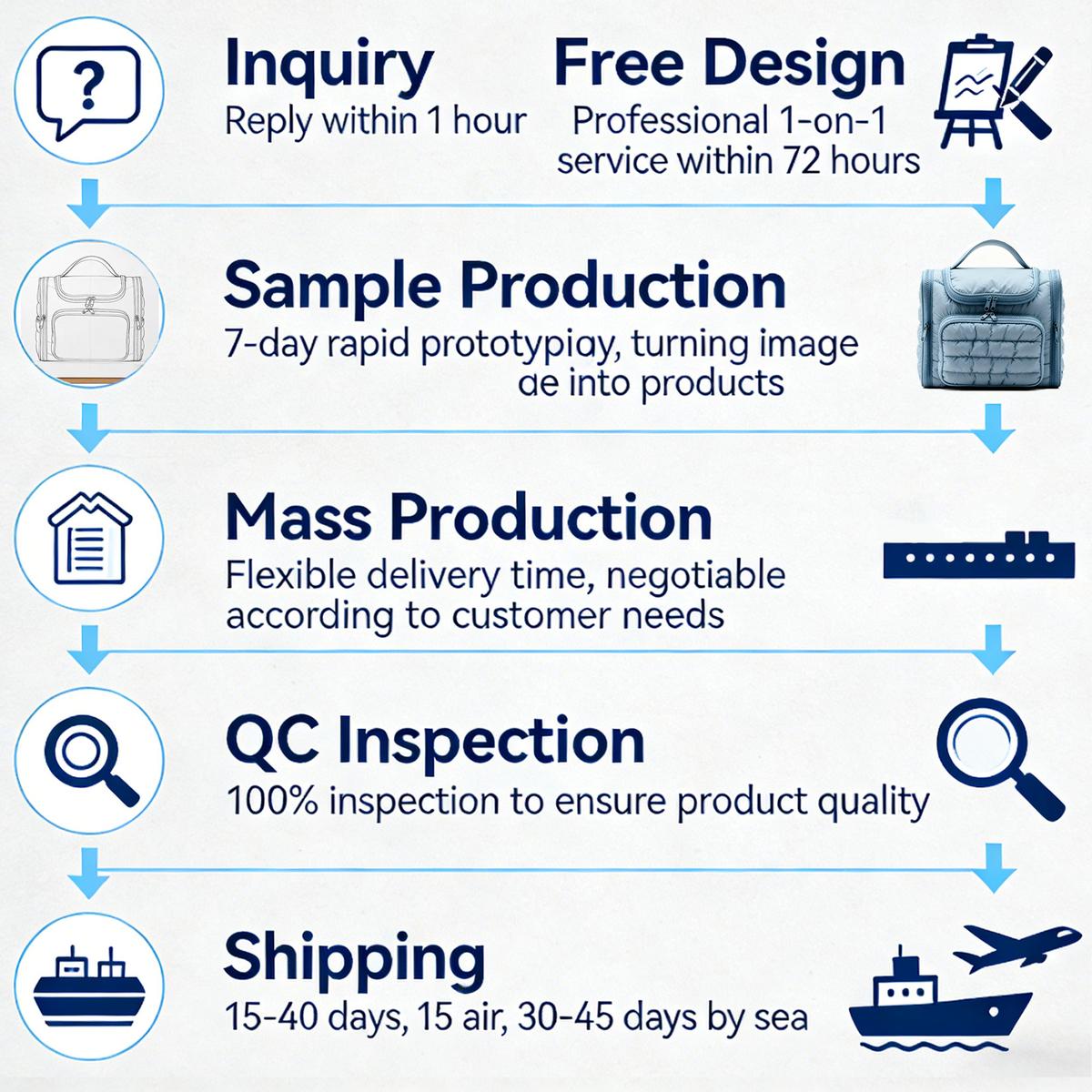
- Step 1: inquiry and spec lock. We confirm bag type, material, dimensions, print method, colors, and destination market requirements. This becomes the signed spec sheet.
- Step 2: pre-production sample. We produce a physical sample that matches the agreed spec. Photos and videos help, but a physical sample is what protects both sides.
- Step 3: customer approval. The buyer reviews the sample and returns signed approval or a revision list. No bulk production starts until the sample is approved.
- Step 4: in-process checks. During mass production, we check cutting, printing, sewing, and finishing against the approved sample and spec sheet.
- Step 5: final random inspection. AQL sampling is carried out before packing. Lots that fail are re-sorted or reworked.
- Step 6: shipment release. After passing inspection, goods are packed, labeled, and released for export.
Lead time for sample development is typically around 7 days after the spec is locked. Bulk lead time depends on order volume and material readiness, and we confirm both before you commit.
What We Check Before Cartons Leave Xiamen
Every inspection starts with the approved sample and the signed spec sheet. We do not inspect against memory or a WeChat photo. The main checkpoints include:
- Materials and trims: fabric weight, hand feel, color shade, zipper or hardware quality, and RPET fabric certification documents when required.
- Workmanship: stitch count per inch, seam strength, thread color consistency, clean thread trimming, and no skipped stitches or puckering.
- Print and embroidery: logo position, size accuracy, color match to the approved sample, adhesion or wash fastness where applicable.
- Measurements: bag dimensions, handle length, gusset width, and folded size against the tolerance agreed in the spec.
- Packaging and labeling: polybag thickness, carton markings, barcode labels, hangtags, and country-of-origin compliance for the destination market.
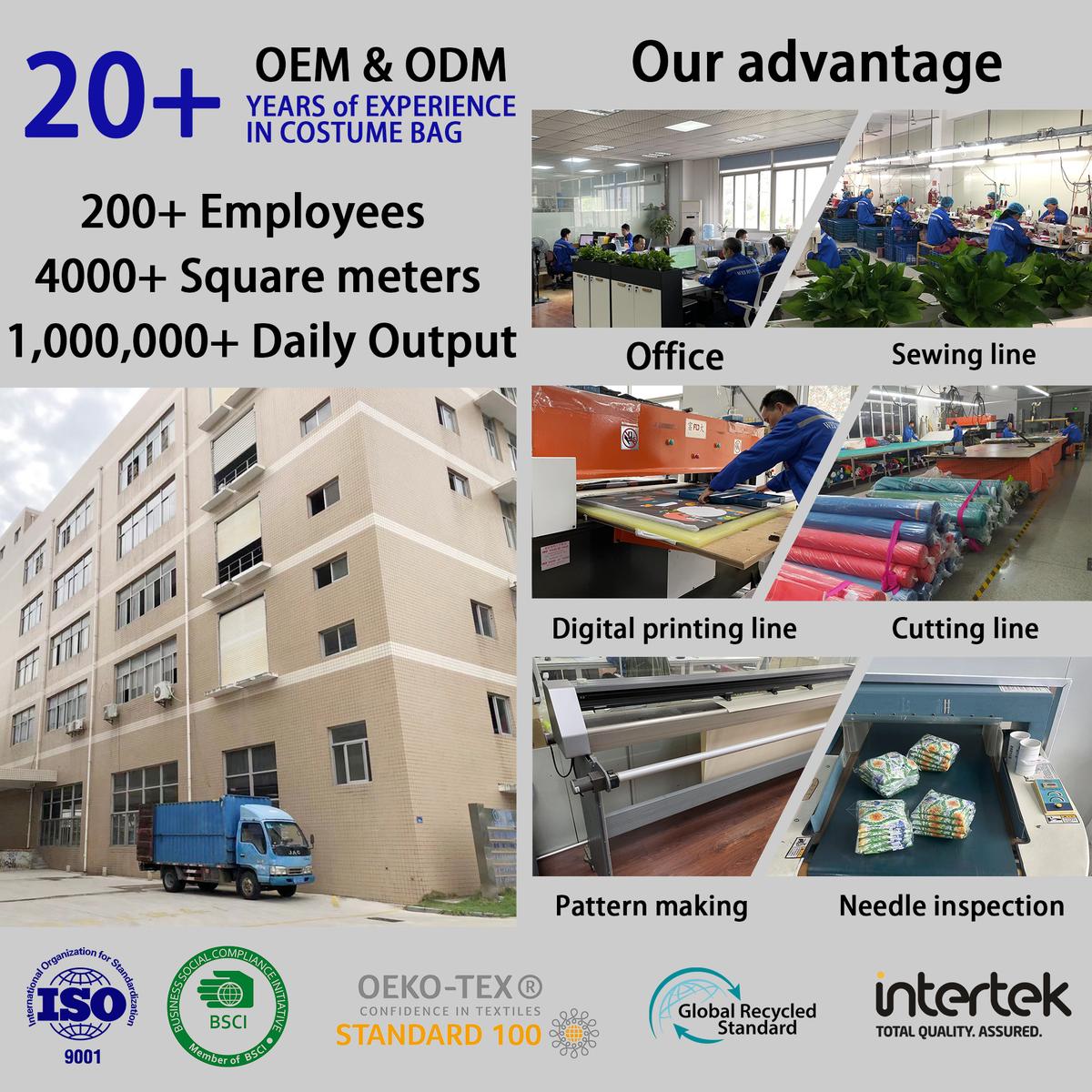
We also run a needle detection step for bags that contain metal accessories or are shipped to retailers with strict metal-contamination policies. This is especially important for tote bags, backpacks, and cosmetic bags with zippers, studs, or magnetic snaps.
The Capacity and Certifications Behind the Checks
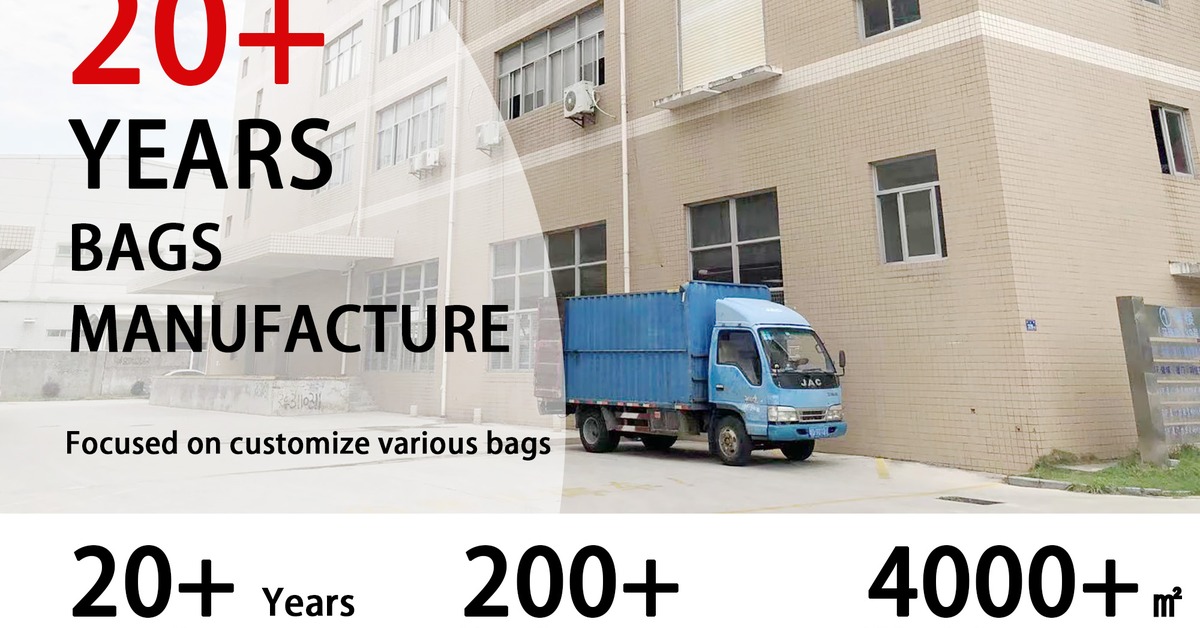
Quality systems need capacity behind them. A factory with no spare sewing lines cannot rework a failed lot without delaying every other order. Weihuang operates from a 4,000+ m² owned facility with 200+ employees, covering cutting, printing, sewing, finishing, and packing under one roof.
Our production is OEKO-TEX Standard 100 certified, which means the finished bags have been tested for harmful substances according to the standard’s requirements. For RPET bag orders, we work with GRS-certified recycled fabrics and provide transaction certificates on request so buyers can support their own recycled-content claims. We do not market every bag as “eco-friendly by default” — we use certified materials where the program requires them and document the chain of custody.
Get a Factory Partner That Treats QC as Part of Production
Inspection is not an afterthought. Done well, it is built into the sampling, production, and packing workflow so issues surface early, when they are still cheap to fix. For distributors and importers selling into North America and Europe, that early visibility is what protects margins and client relationships.
Planning a promotional bag program with strict quality requirements?
Send us your target bag type, quantity, and destination market. We will confirm the sampling schedule, AQL plan, and certifications needed for your program, then quote with a clear production timeline.
WeChat
Scan the QR Code with wechat